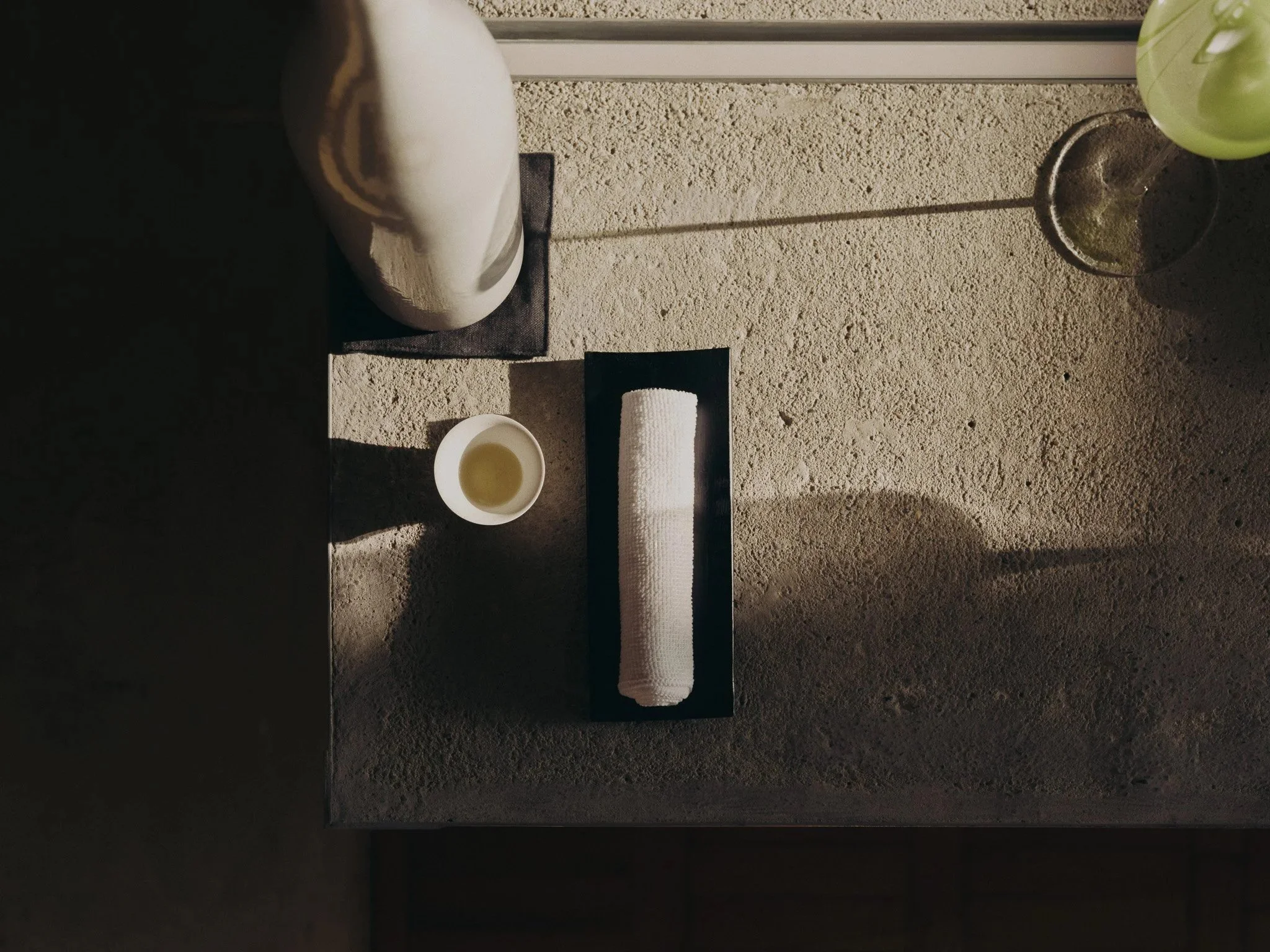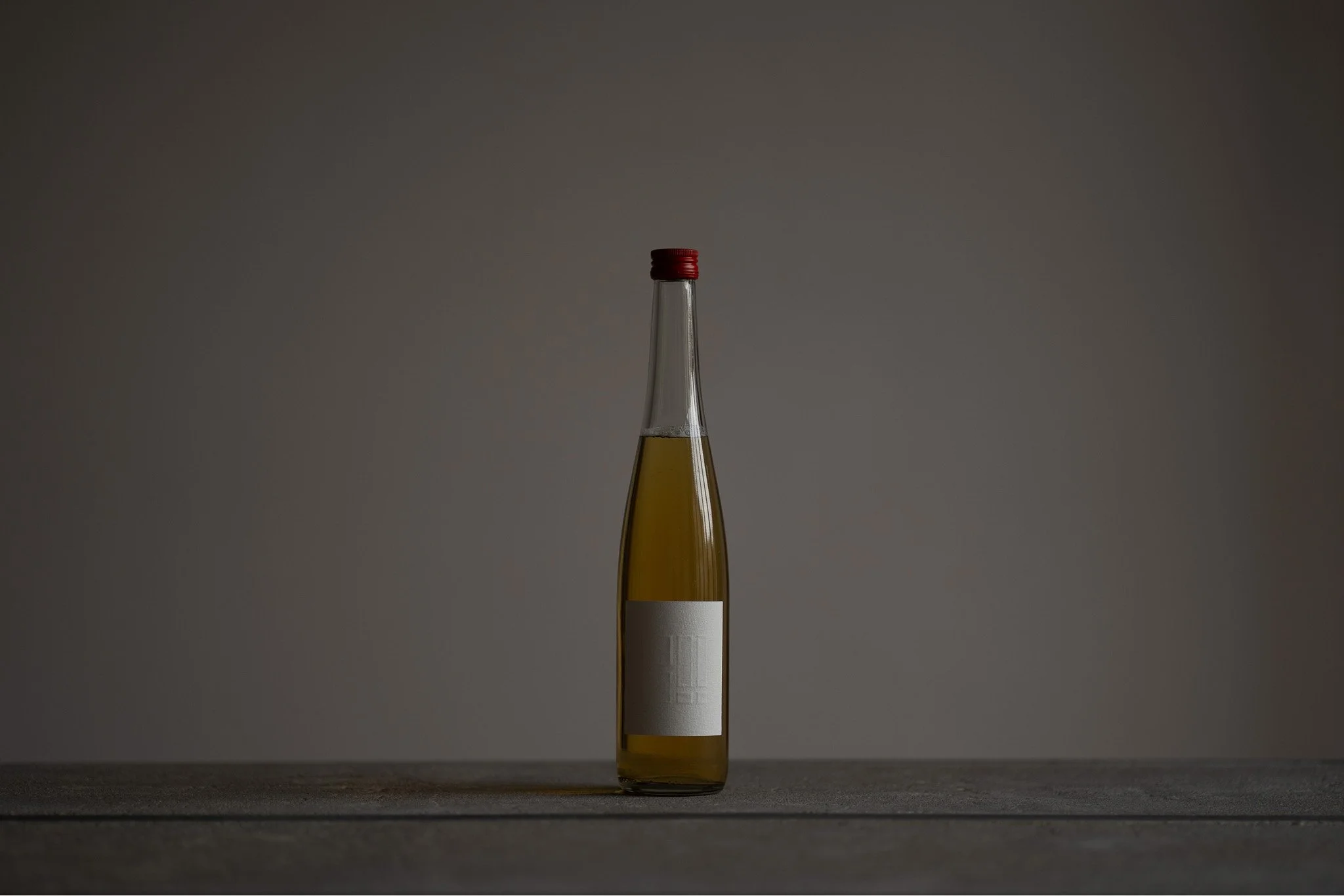
In conversation with the founders of Circadian about tea, craftsmanship and why time plays such an important role in good taste.
Your company is called Circadian. The name immediately brings to mind the human circadian rhythm. How did you come up with it?
The name indeed refers to the circadian rhythm. The natural 24-hour cycle our bodies follow. Tea accompanies many people throughout the day: in the morning to start the day, in the afternoon to focus, or in the evening to slow down. We liked the idea that tea can be part of these daily rhythms. For us, tea is not just a drink, it’s a small ritual within everyday life.
You focus strongly on Gyokuro, one of the most prestigious Japanese teas. Why this particular tea?
Gyokuro is fascinating because of its complexity. The plants are shaded before harvest, which increases amino acids and creates a deep, umami-rich flavor. For us, Gyokuro is almost a “precision tea.” Every decision in cultivation and processing has an impact on the final taste. That level of detail and craftsmanship really drew us in. Gyokuro is also deeply connected to the culture of Japan's late Edo period, which is why our ceremonies and production space are located at Funkhaus.
Your approach almost sounds scientific. You talk about cultivars, cultivation methods and precise observation. How important is that level of accuracy?
It’s very important. Tea is a natural product, but it’s also incredibly nuanced. Different cultivars – different varieties of tea plants – produce very distinct aromas. Once you start paying attention, you realize how subtle these differences can be. Our goal is to highlight those nuances rather than hiding them behind blends or heavy branding.
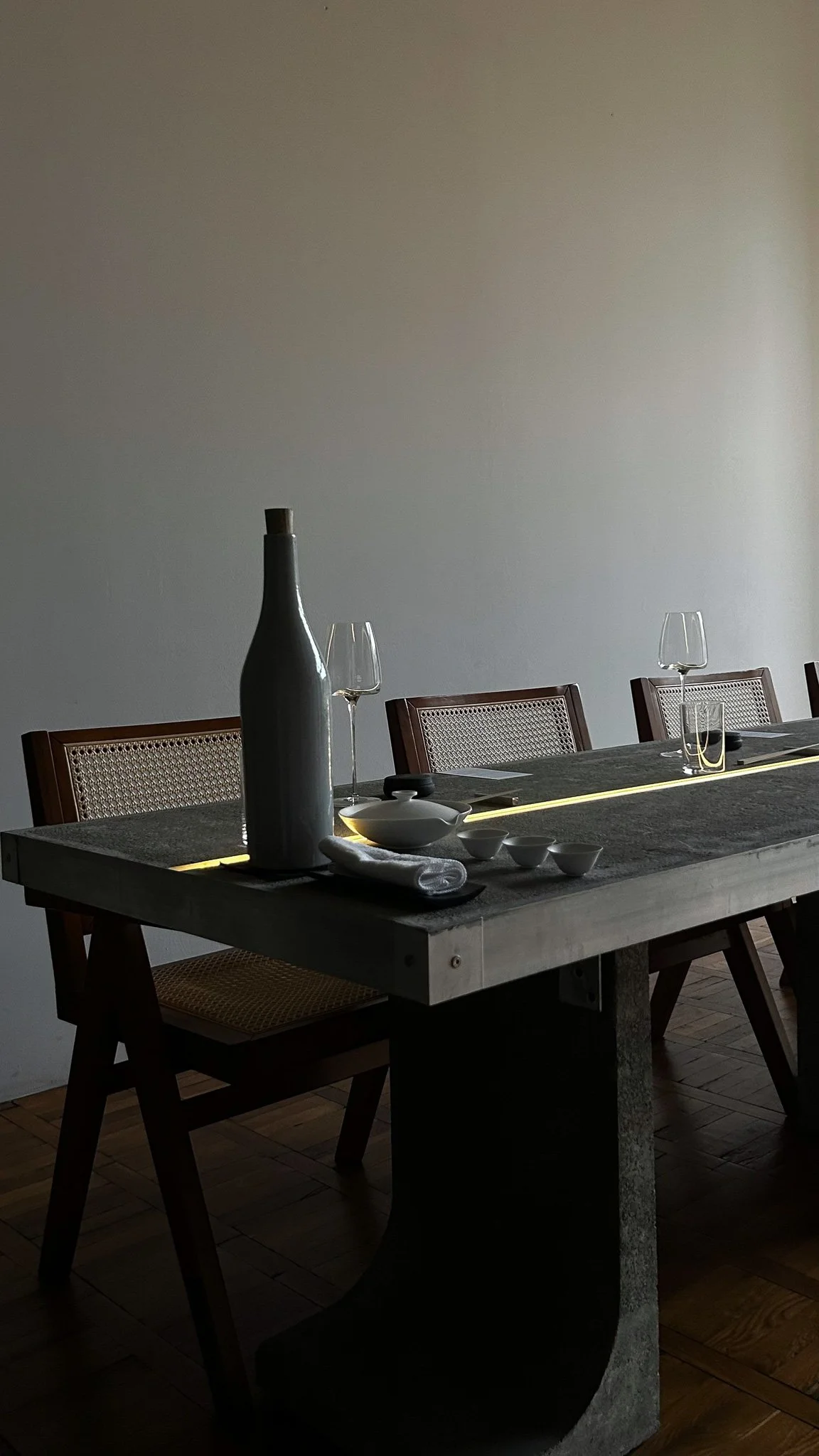
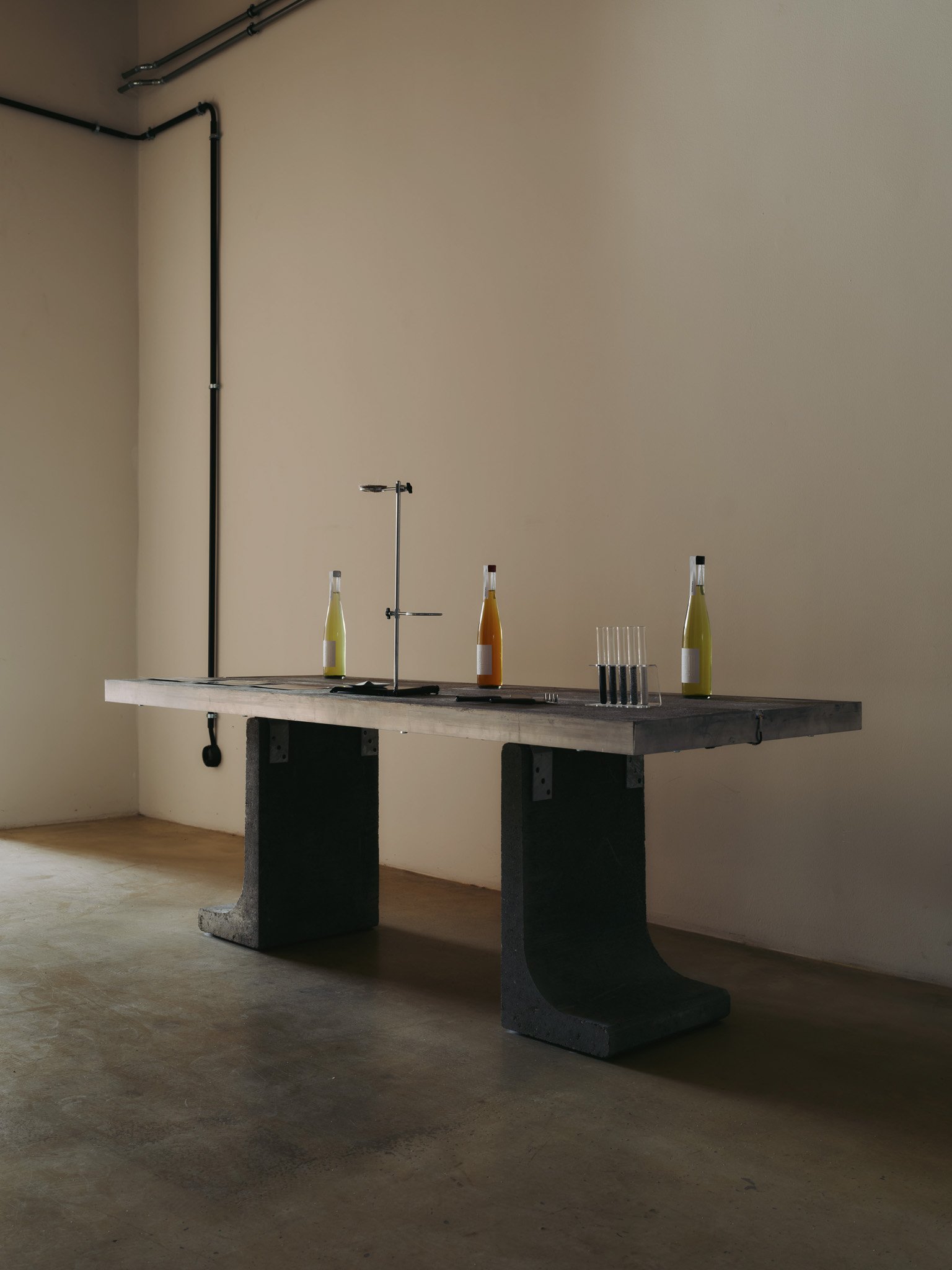

You work closely with producers in Japan. How do these partnerships develop?
Trust is key. Many of the farms we work with are family businesses with decades of experience. We try to communicate their work as transparently as possible and approach the collaboration with a lot of respect for their knowledge and traditions. For us, it’s about building long-term relationships and learning from each other.
Circadian is based in Berlin. What connects a German capital with Japanese tea culture?
Berlin is a place where many ideas and cultures meet. There’s a strong openness for quality products and new ways of thinking about food and drinks. At the same time, we probably bring a bit of “German precision” into the project – a certain attention to detail, structure and quality. The exchange between Japan and Germany also goes far beyond tea. We recently published an interview with Alva Noto about his working relationship with Ryuichi Sakamoto and how they made music together between the two countries.
Tea in Europe is often seen as an everyday drink. You present it more like a refined product. What would you like to change about how people see tea?
We think tea deserves more attention. In many cultures it’s appreciated with the same care as wine or specialty coffee. When people take the time to explore it, they discover an incredible range of flavors. Our goal is to show that a glass of tea can be just as intentional and enjoyable as a glass of wine.
One last question: How do you personally enjoy your tea the most?
Simply with time. Good tea unfolds slowly. When you take a few minutes to really taste it, you realize how much complexity can exist in a single glas.